Custom Print Pricing Calculator: Set Expectations

A custom print pricing calculator should qualify jobs and surface file specs before upload. Here's what yours must include to keep prepress clean.
Blog
Field notes on print production, parser engineering, and the messier parts of running a web-to-print stack that respects approved artwork.
A custom print pricing calculator should qualify jobs and surface file specs before upload. Here's what yours must include to keep prepress clean.
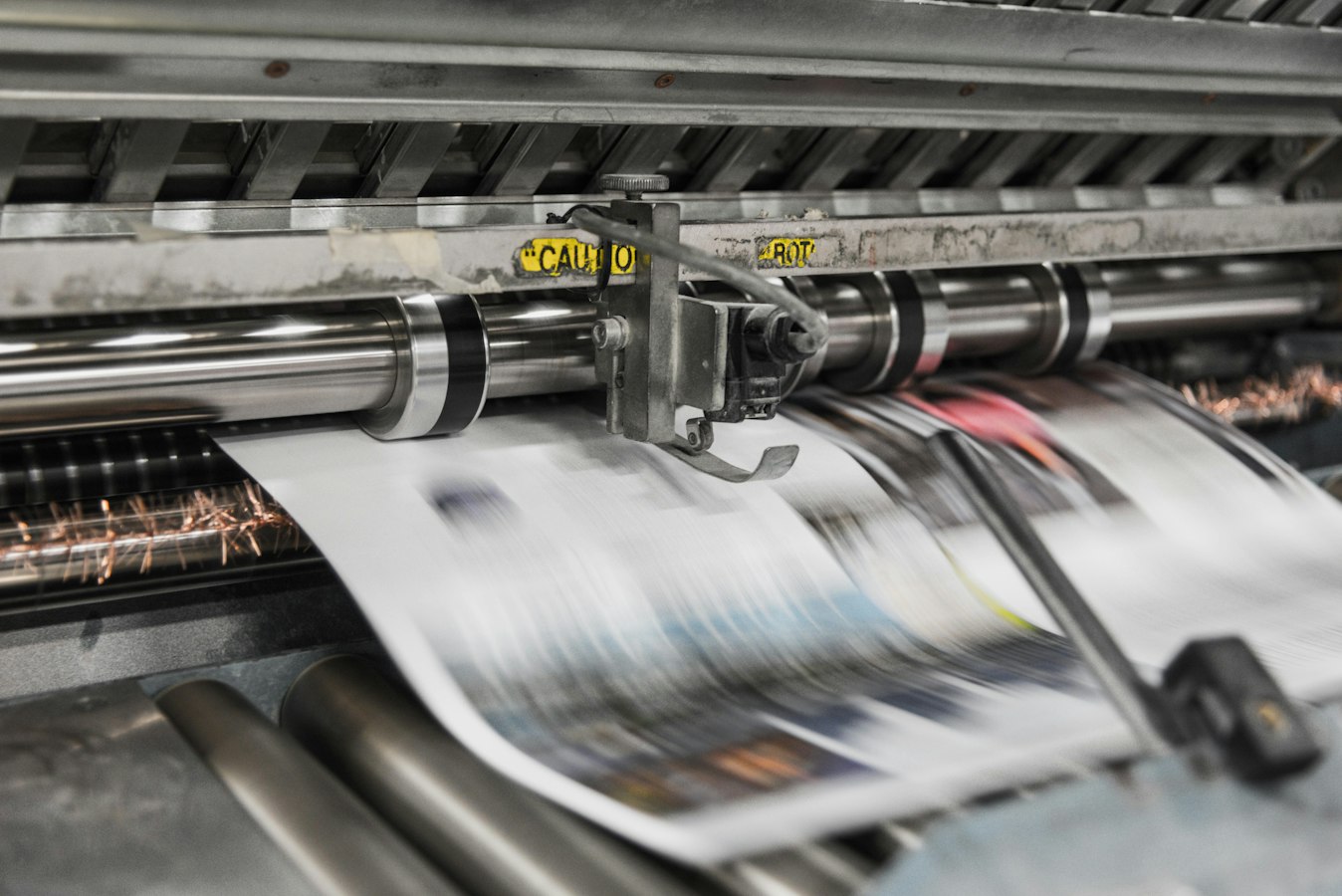
Stop re-editing files on every repeat job. A structured print shop reorder system turns your finished PDF into a fill-once, print-every-time template.
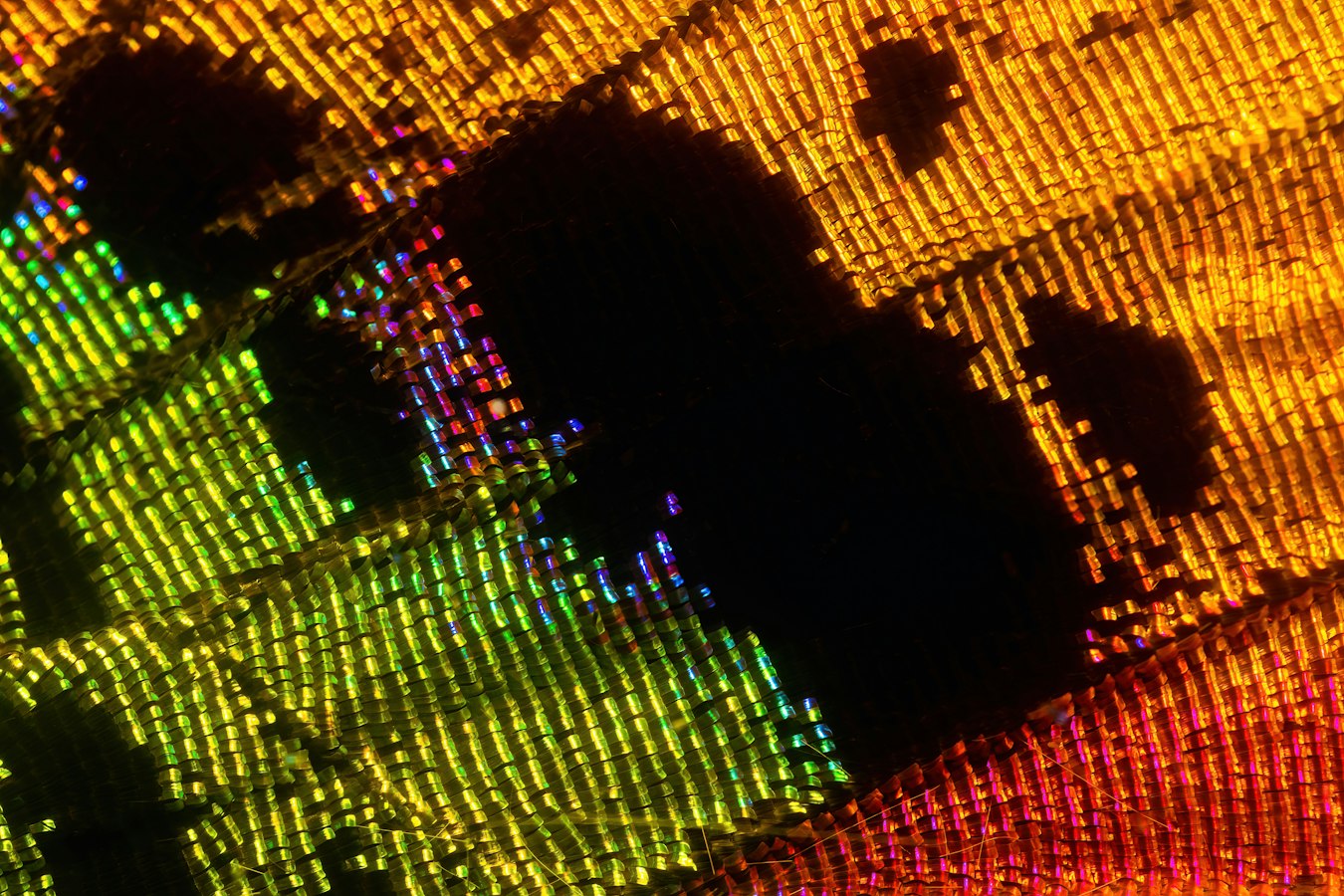
300 DPI is a floor, not a finish line. Learn how effective resolution, output size, and substrate affect PDF resolution for print quality.

Short-run VDP jobs often cost more to set up than they earn. Learn when VDP math works, when it doesn't, and what to do instead for 25–100 piece jobs.
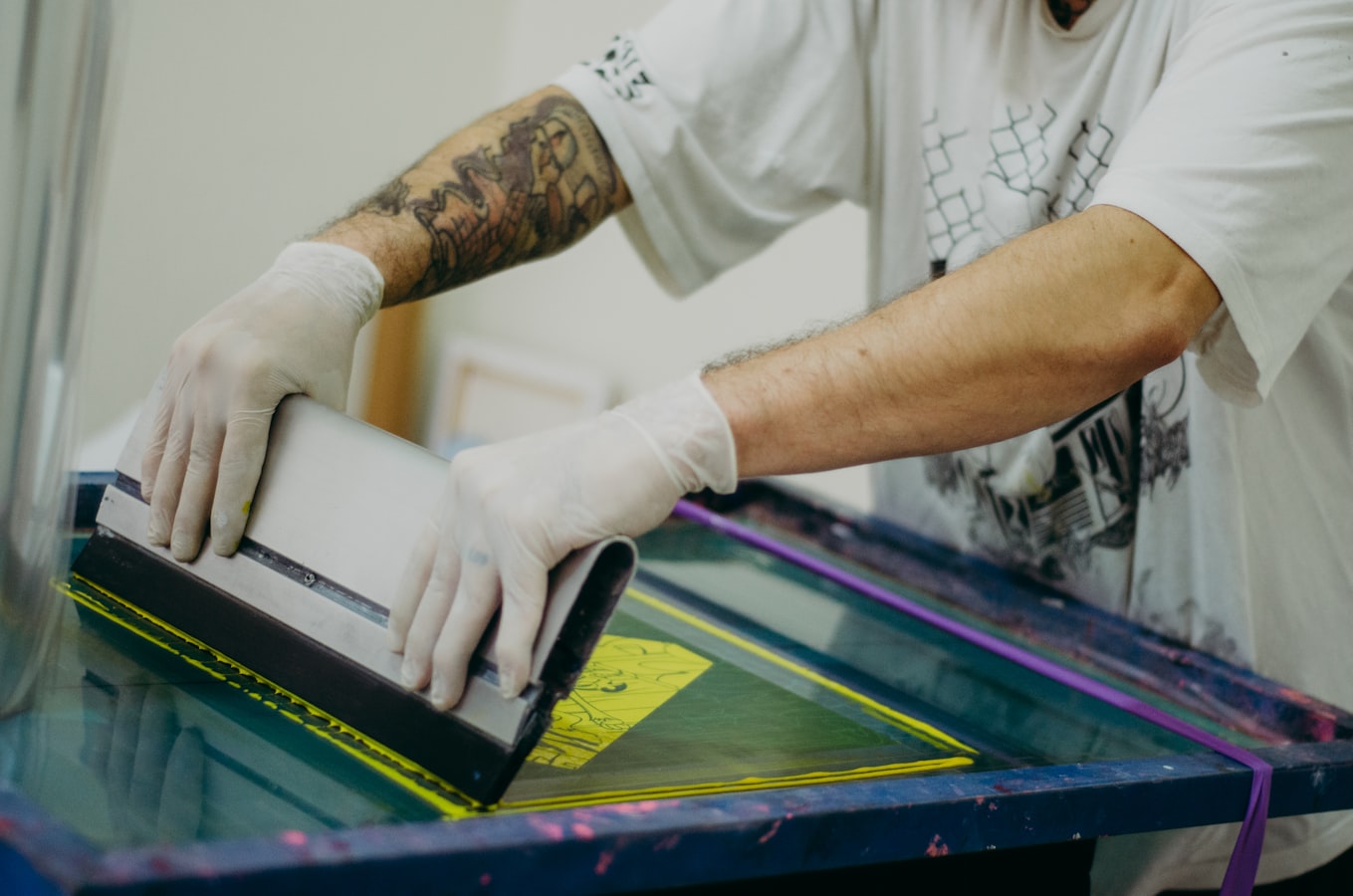
Gang run jobs get pulled for bad files. Use this prepress checklist to clear preflight on bleed, CMYK, fonts, overprint, and spot colors before you submit.
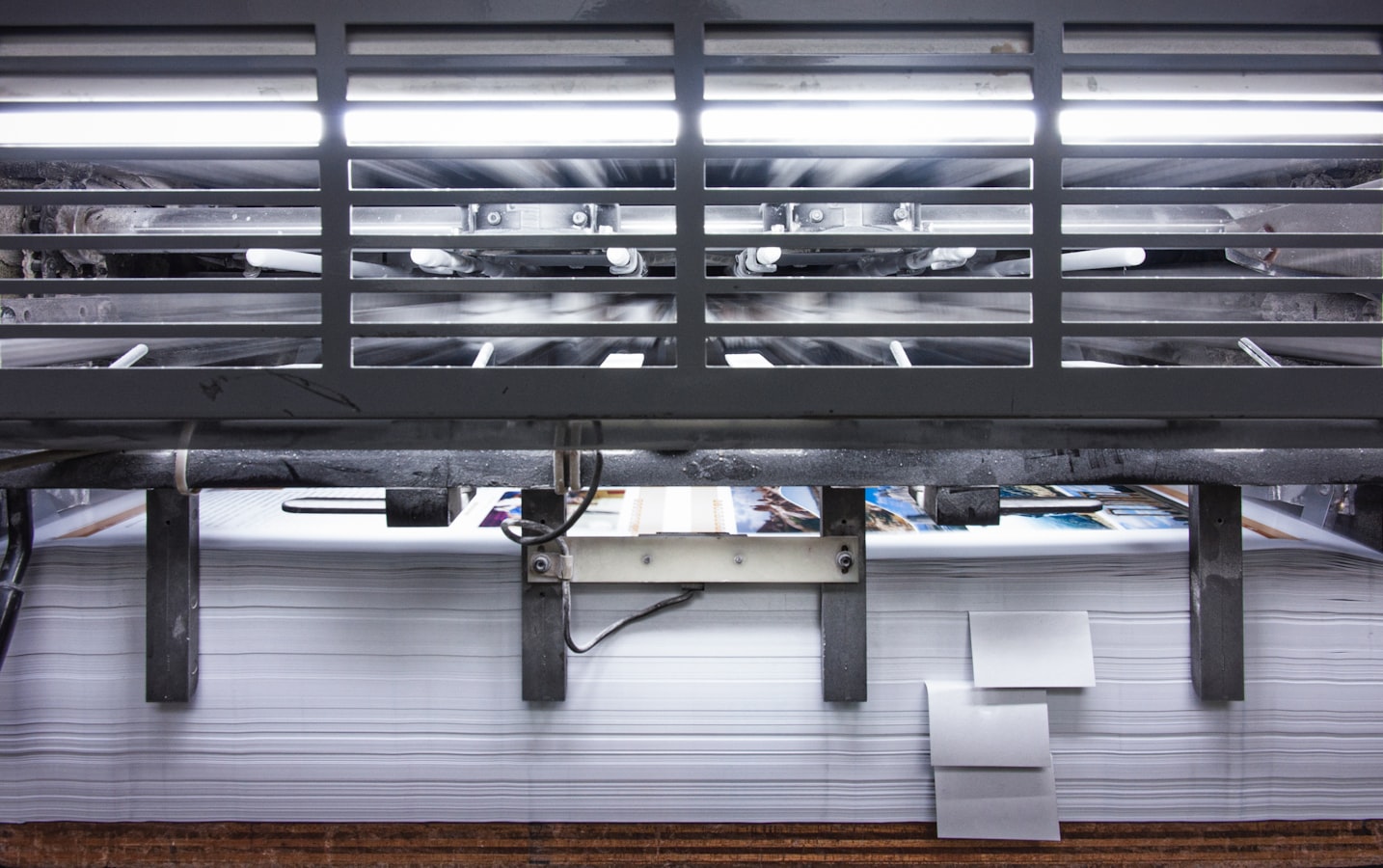
Short-run digital imposition fails when source PDFs have wrong geometry or color. This prepress reference covers what to fix before the file hits your RIP.
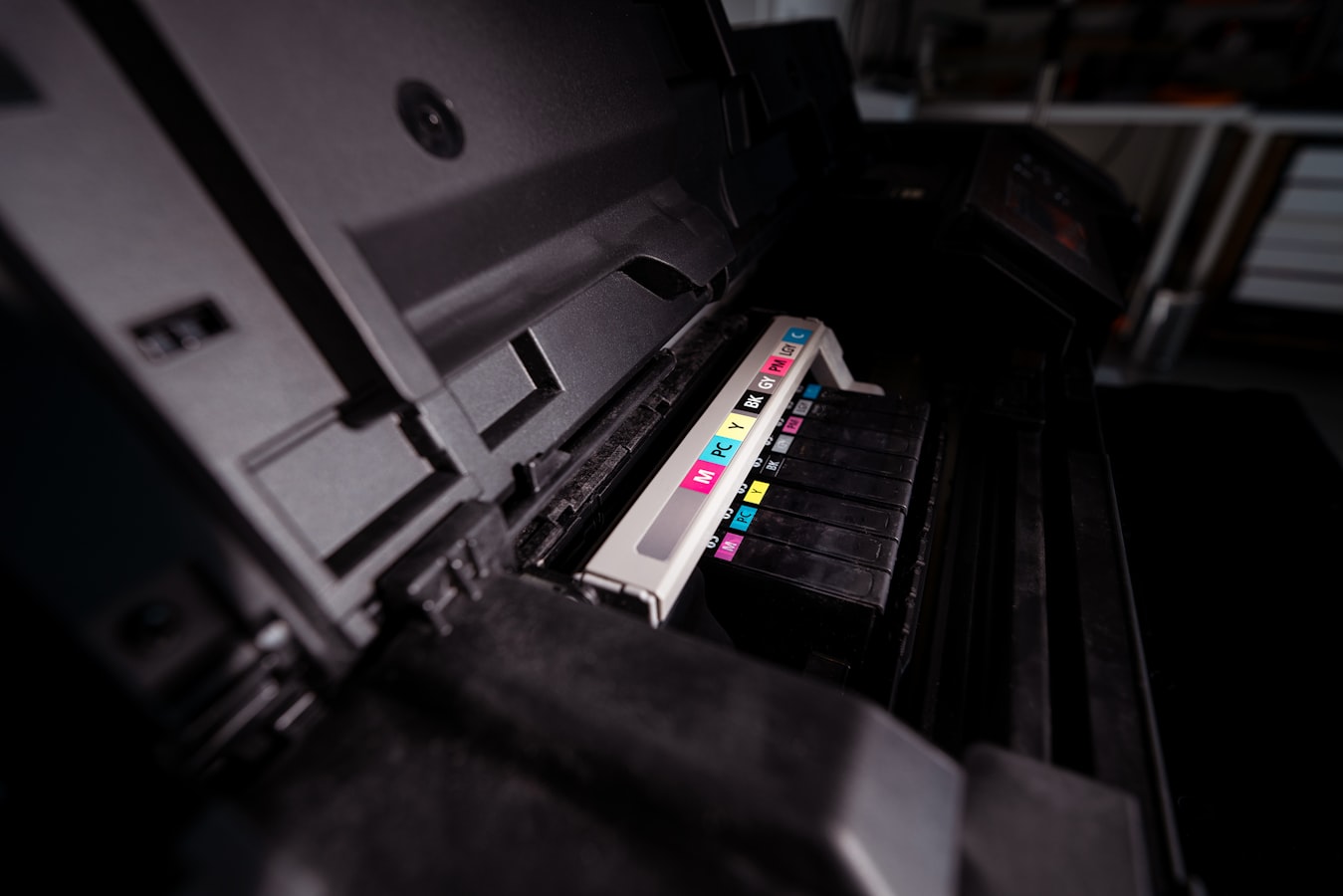
RGB files break on press. Learn why CMYK vs RGB for print is a physical requirement, where conversions fail, and what a press-ready PDF actually contains.

Learn how a structured print template approval workflow replaces email chains with live-proof links, version tracking, and press-ready PDF output.
PDF crop marks explained for prepress staff: what they are, why they matter at the cutter, and how to catch common customer-file errors before press.
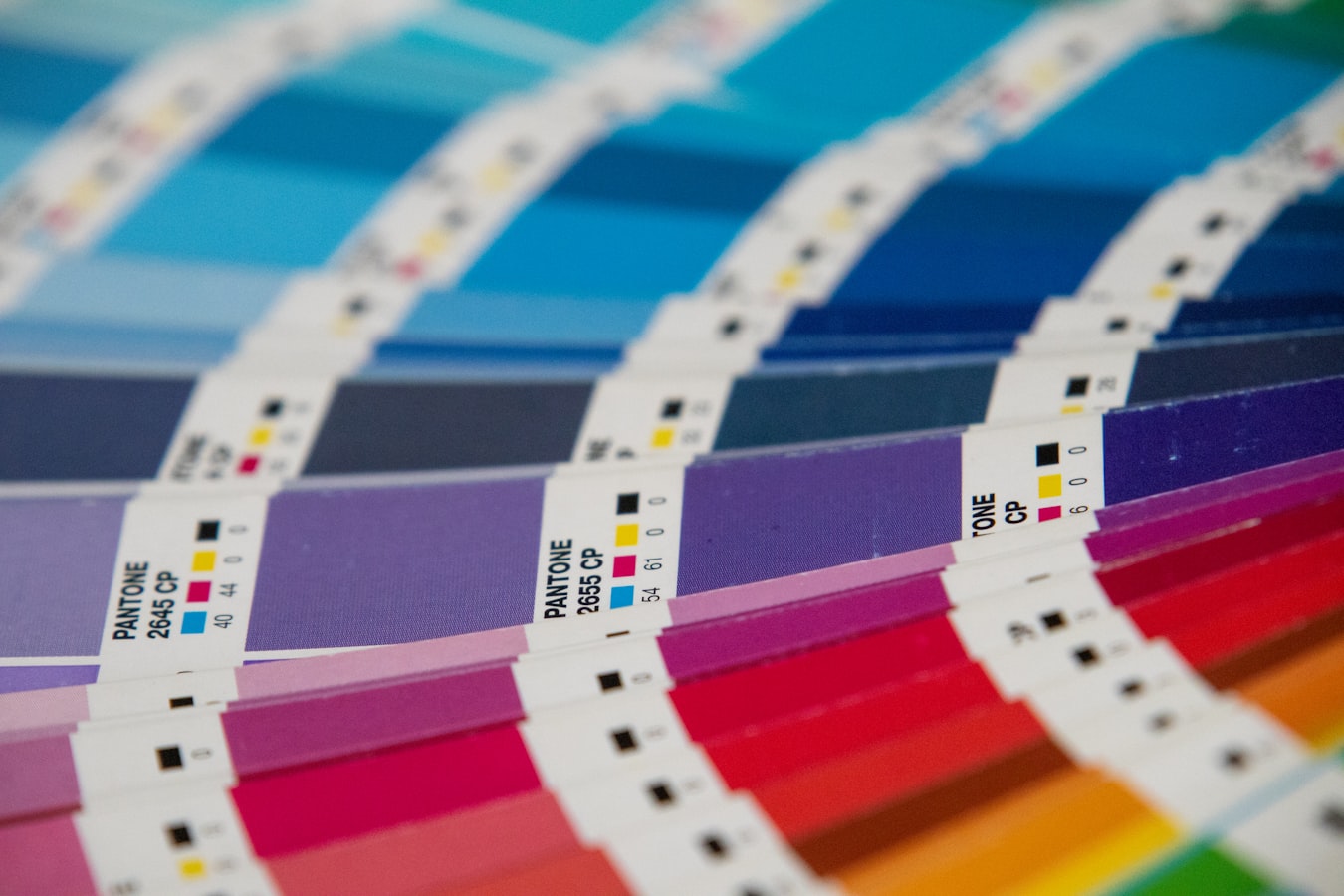
Overprint vs knockout CMYK errors hide in screen proofs and cause costly reprints. Learn what each setting does, the six biggest mistakes, and a preflight checklist.
Reorders eating shop time? Set up your finished PDF once so customers update their own fields and download a press-ready CMYK file — no manual re-editing.
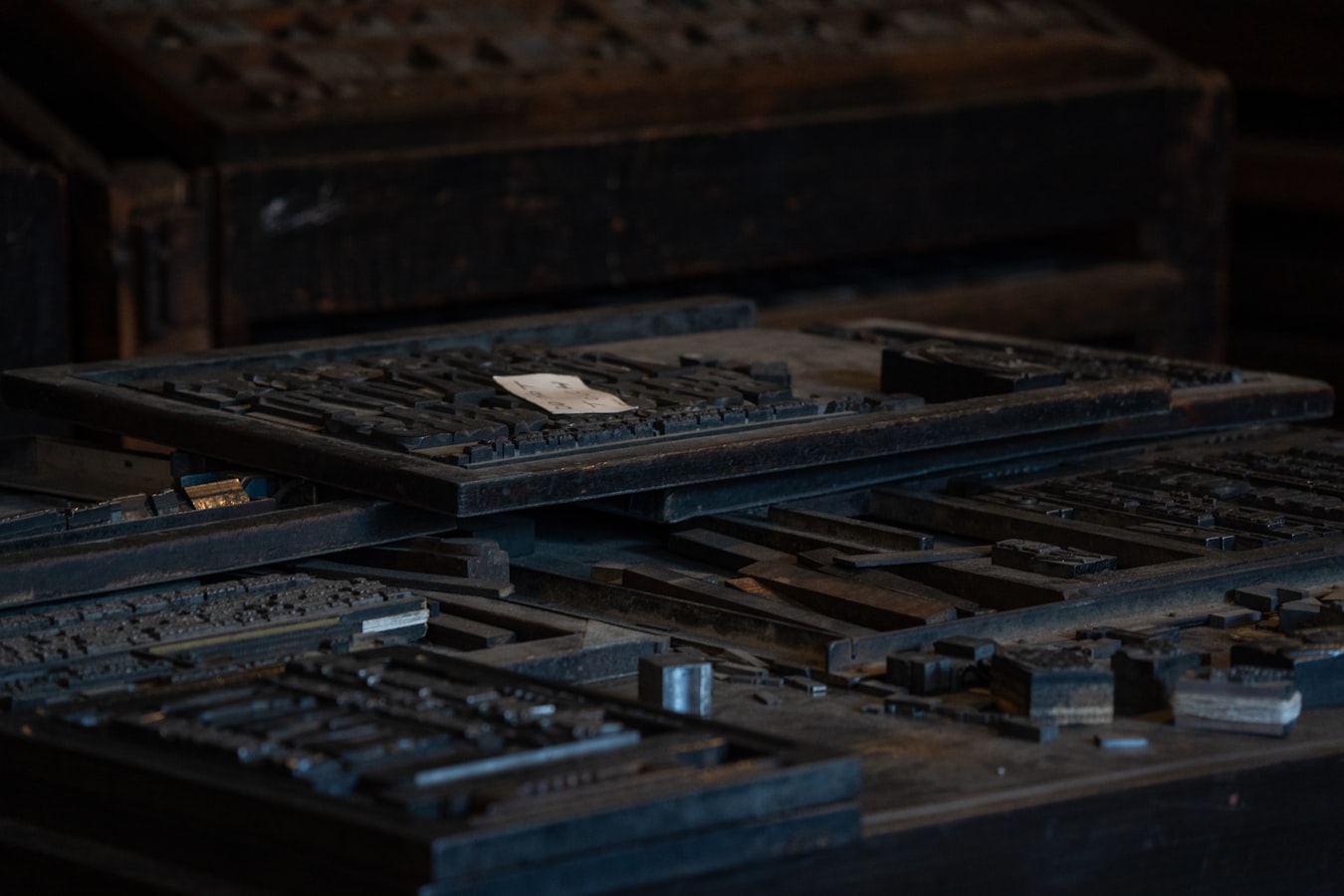
PDF font embedding for print failures cause silent reprints. Learn how to audit, fix, and prevent missing or partial font embedding before files hit the RIP.

Wrong file goes to press? Learn the production discipline of print template version control that stops reprints before they start.

Produce a variable data PDF without InDesign by marking fields on your finished press-ready file. No rebuild. CMYK output per record, ready for press.
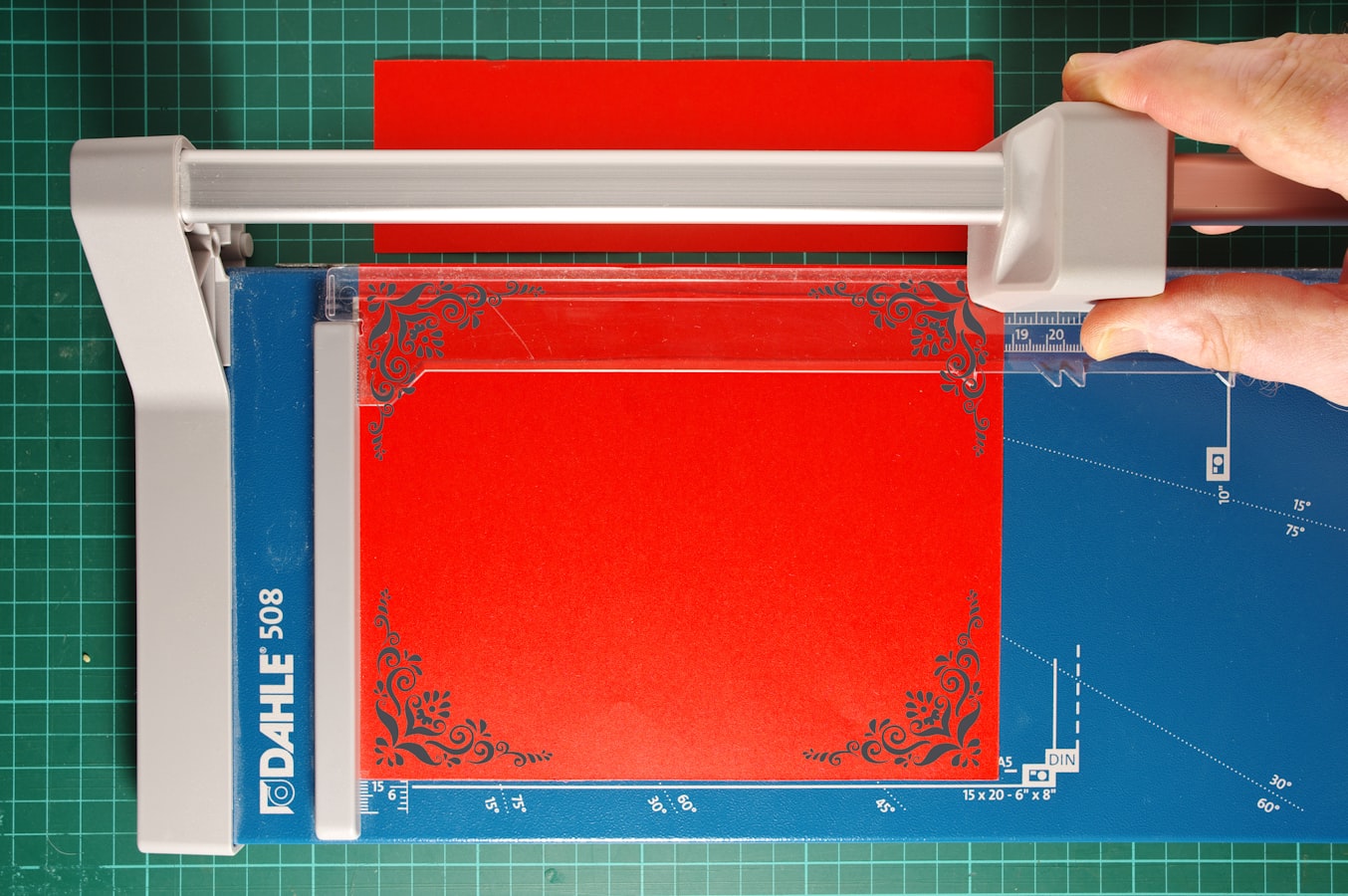
Stop bleed and trim reprints. A print shop reference covering spec sheets, common customer mistakes, preflight checks, and locked PDF templates.
Stop email-chain proofing. Learn how a live PDF proofing tool with press-fidelity preview slots into your existing print order flow without rebuilding anything.
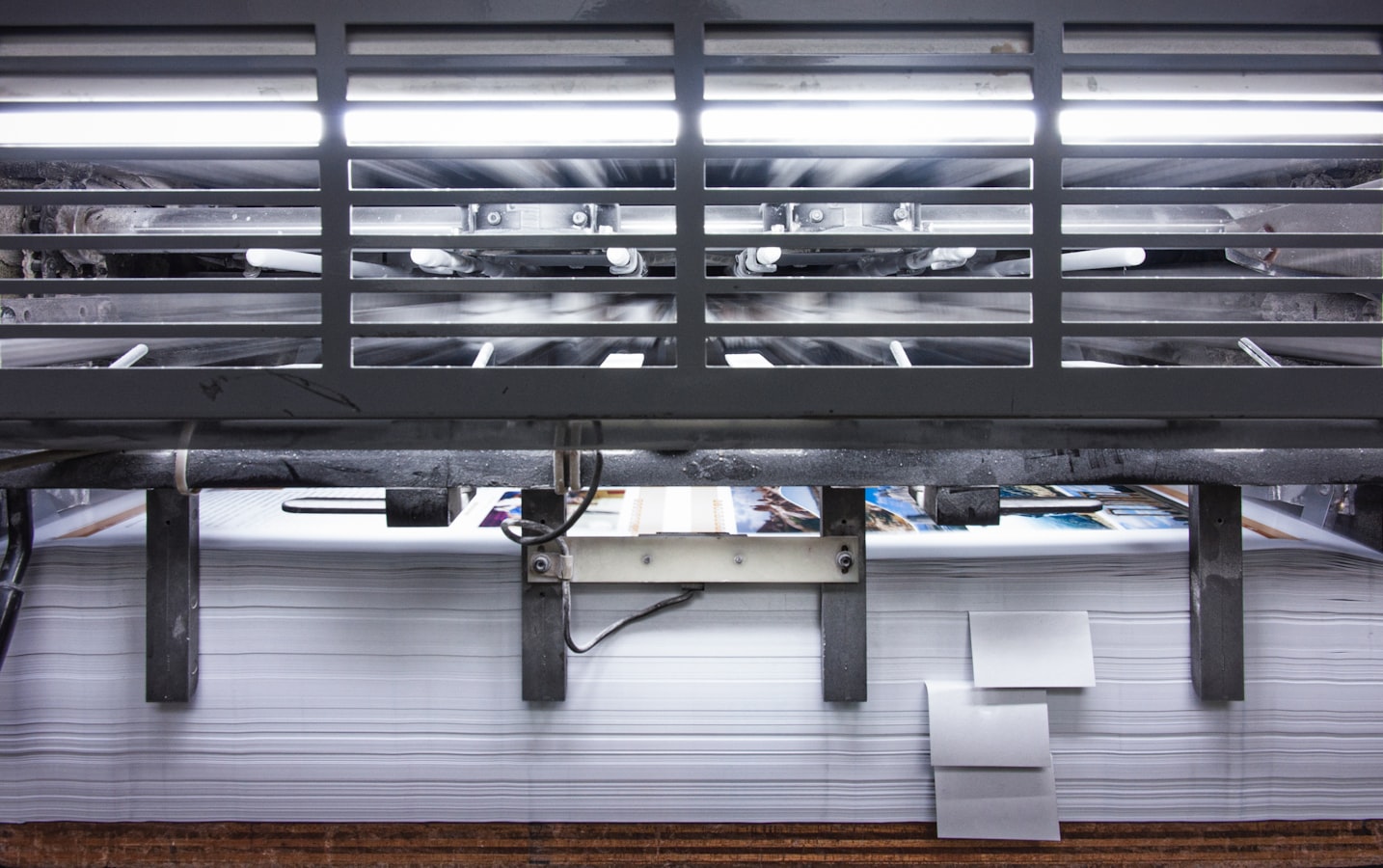
These 7 preflight errors cause most print reprints. Learn what each one does, why it fails on press, and how to stop bad files before they reach your queue.

Run variable data printing from a press-ready PDF — no InDesign required. Mark fields, merge your spreadsheet, and get CMYK-safe output for every record.

Before you approve any print job, run these 5 rendering checks on your live PDF proof — CMYK, spot color, bleed, locked elements, and text reflow.
Does your online PDF proofing tool with live preview produce a truly press-safe file? Learn what to audit before you trust it with a paying job.
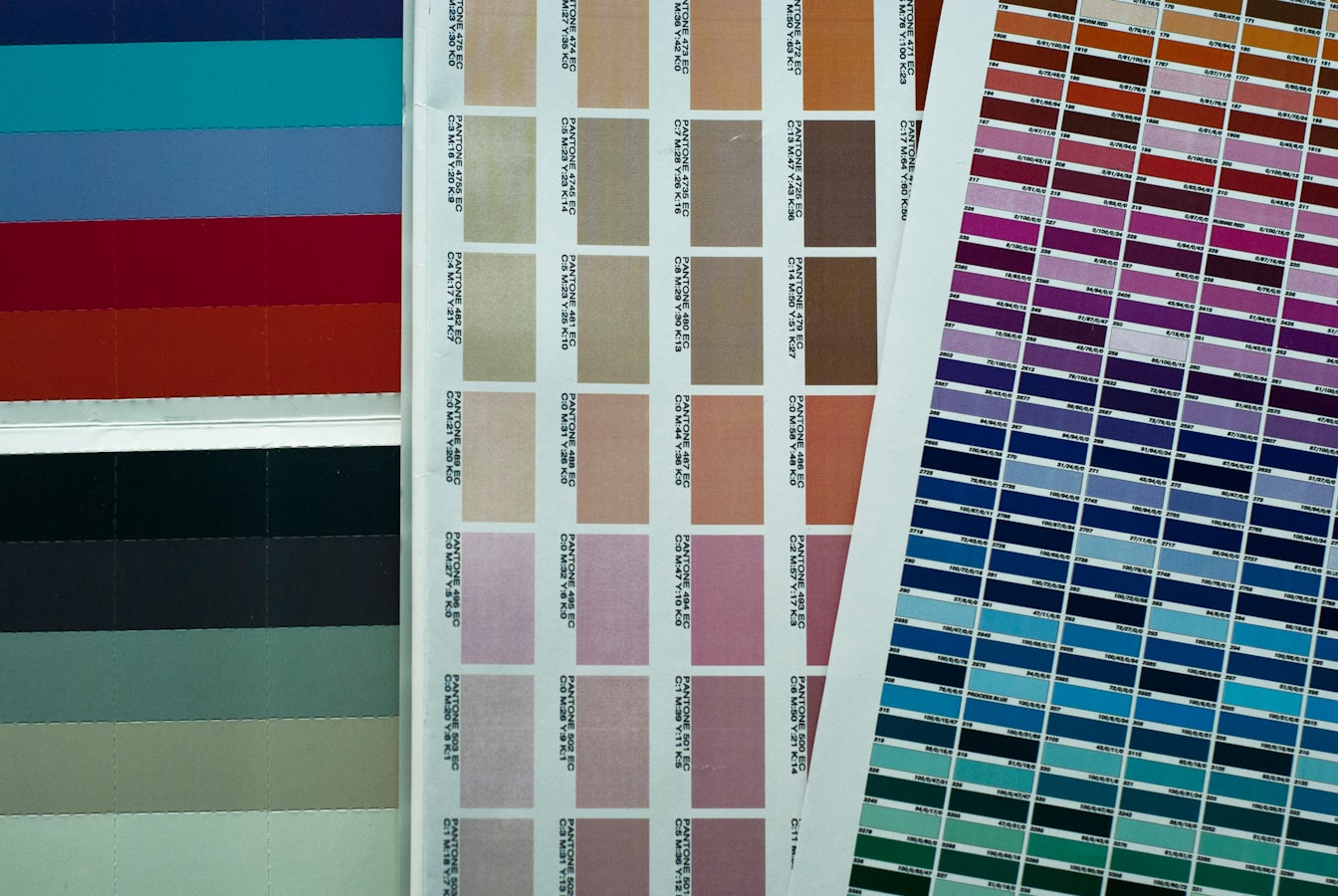
A print shop checklist for live PDF proofing: CMYK accuracy, spot colors, bleed, locked zones, and file-match from approval to press-ready download.

Self-serve print ordering for small business lets SMB customers fill editable fields, approve a live proof, and download a press-ready CMYK PDF in minutes.

Embed a print template customizer on your website with one snippet. Live CMYK proof, press-ready PDF output, no platform migration, no template rebuild.
Lock brand elements in your finished print PDF and let franchise locations personalize only the fields you approve — no IT queue, no rebuilds, no drift.
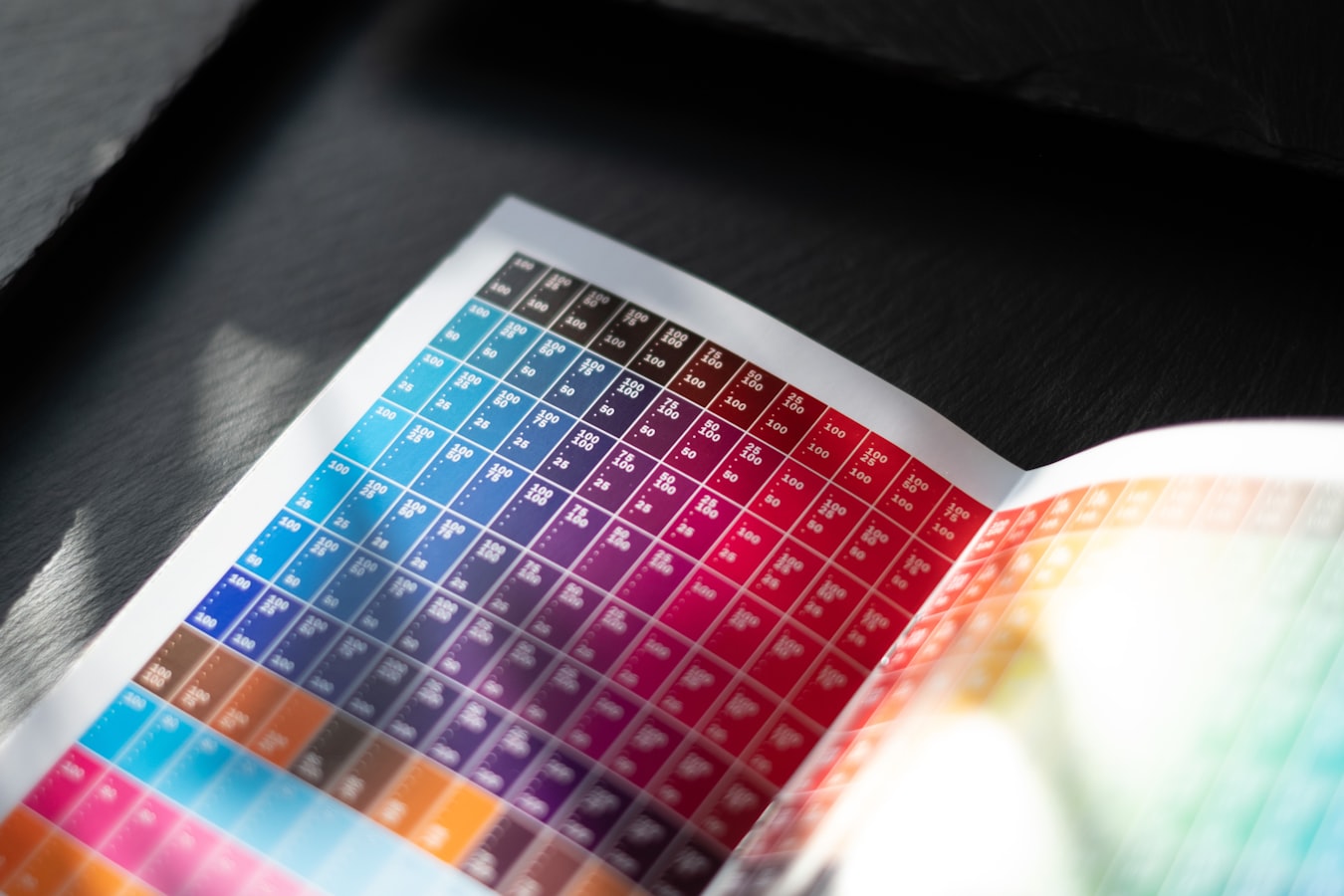
Web to print CMYK color accuracy fails at predictable points. Run this five-point audit checklist to catch silent RGB conversions before any job ships to press.

Run print templates for 30+ clients without rebuilding files. One upload per brand, locked design, live proof, press-ready CMYK PDF every time.
Five criteria every print shop should test before buying a PDF template personalization tool — CMYK fidelity, setup speed, design lockdown, and more.
Port your finished press-ready PDF into a self-serve web-to-print workflow — no rebuild, no color conversion, no redesign. CMYK and spot colors stay intact.
The rebuild requirement is why web-to-print rollouts stall. Learn where setup time goes and how starting from a finished PDF cuts the queue.
Stop trading emails for every revision. Let customers personalize their own files against a live proof and download a press-ready CMYK PDF — no inbox required.
Franchise marketing template management software that locks brand elements, lets locations personalize, and keeps every print file press-ready CMYK.
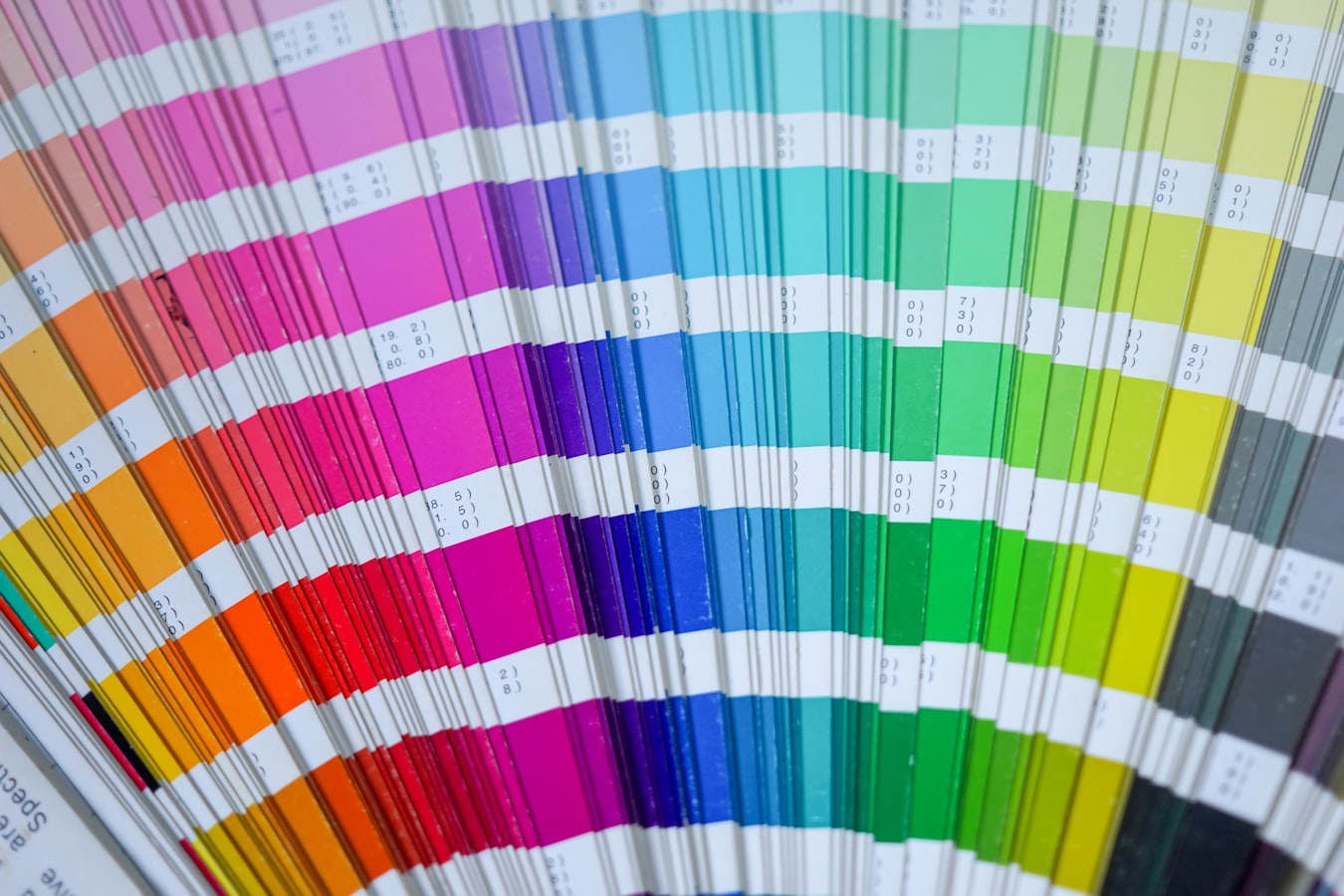
Press-ready PDF personalization software lets print shops publish fillable templates from finished PDFs — no rebuilding, CMYK output, no hand-editing.
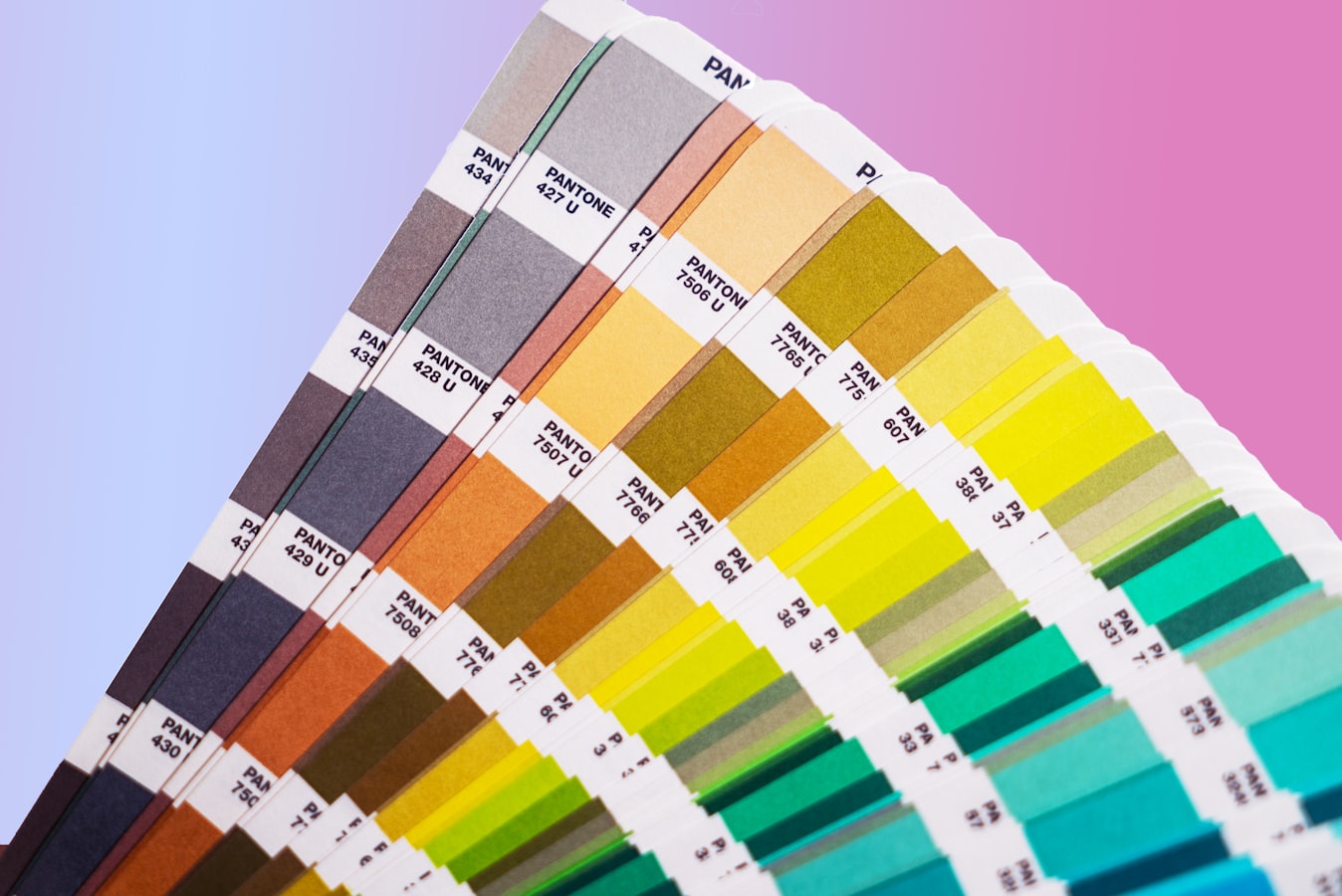
Learn where Pantone values get lost in web-to-print workflows and how a PDF-native approach keeps spot channels intact through customer personalization.
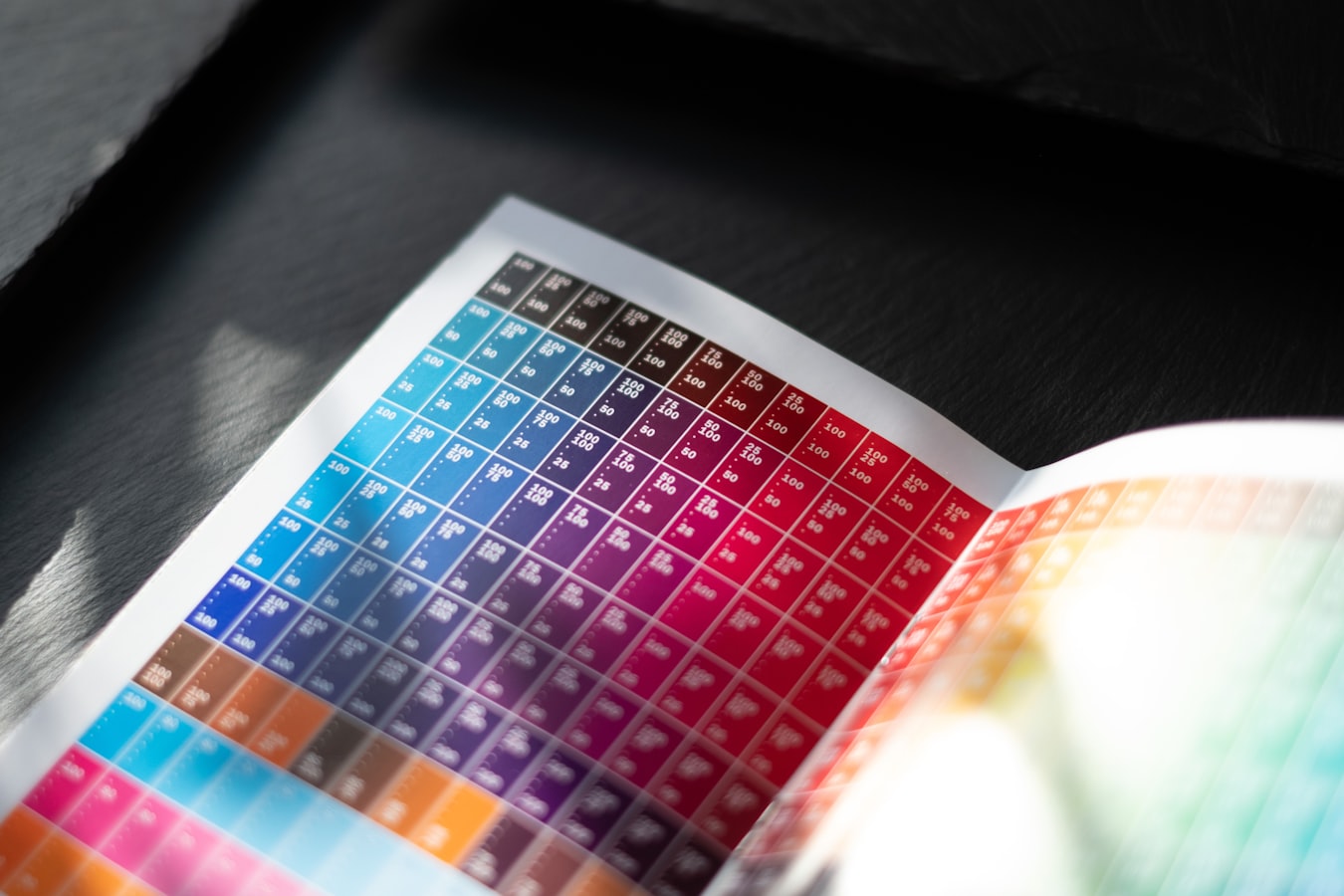
What PDF/X-1a enforces, why personalization breaks it, and how to keep CMYK compliance intact through customer edits and final download.
How to let customers edit PDF without changing the design: use element-level locking to protect CMYK colors, fonts, and layout. Press-ready output every time.
Pick an editable business card template built for press: CMYK, bleed, crop marks, and embedded fonts. Here is what to check before you send to print.

Learn how to make a PDF fillable online while keeping CMYK color, bleed, and crop marks intact. A print-shop guide to fillable templates that stay press-ready.
Most 'CMYK support' in web tools means the file gets converted to CMYK at the end. That's not the same thing. Here's what print-grade output actually requires.
The unspoken reason most print shops abandon web-to-print: every platform asks you to rebuild every design inside its editor first. We made StackFill specifically to skip that step.